
Benaras: Where Time Slows Down and the Soul Wakes Up
Some cities are meant to be visited. Benaras—also known as Varanasi or Kashi—is meant to be felt.
From the moment I stepped out into its narrow, winding lanes, Benaras wrapped itself around me like an old, incense-scented shawl. The air hummed with temple bells, bicycle horns, chanting priests, and the soft chaos of everyday life. It’s not a quiet city, but it is deeply still in a way that feels ancient—like it has seen everything and has nothing left to prove.
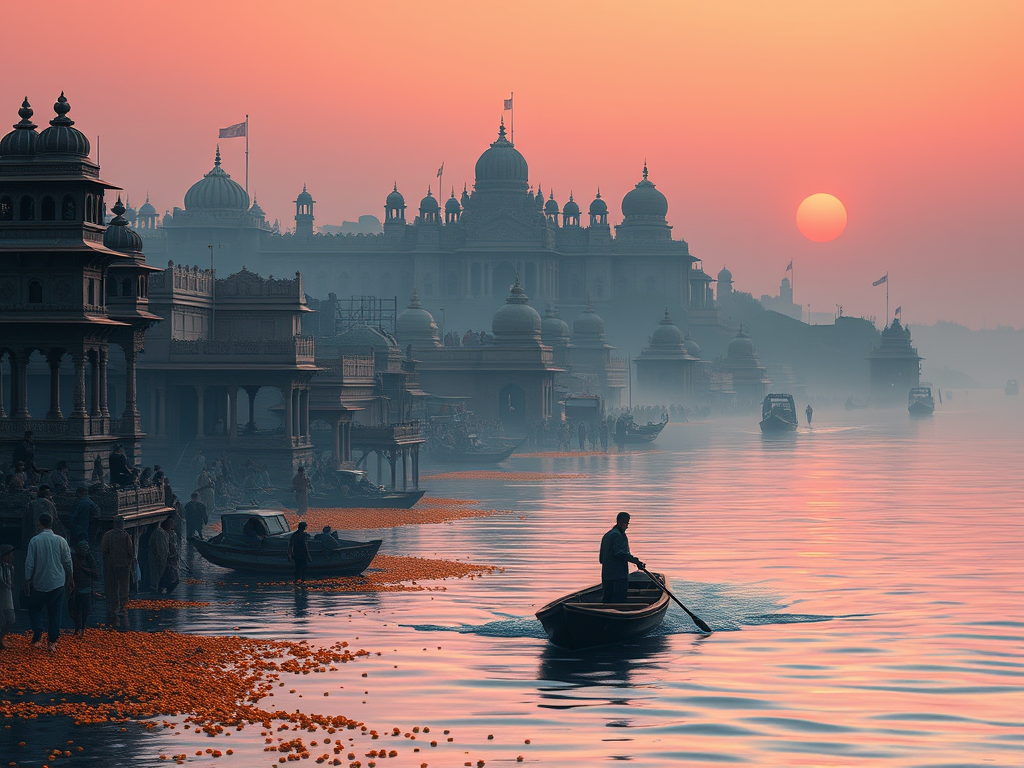
Benaras sits on the banks of the River Ganga, and the river is the city’s heartbeat. At dawn, I walked down to the ghats as the sky slowly blushed pink. Pilgrims were already waist-deep in the water, offering prayers to the rising sun, their hands cupped with marigolds and hope. A boat ride at this hour feels almost unreal—palaces, temples, and centuries of devotion drifting past in silence broken only by the splash of oars. It’s the kind of moment that makes you put your camera down and just look.
The ghats themselves are a world within a world. Life and death coexist openly here, without fear or secrecy. At Manikarnika Ghat, funeral pyres burn day and night, reminding visitors—gently but firmly—of life’s impermanence. It sounds heavy, and it is, but it’s also strangely comforting. In Benaras, death isn’t hidden away; it’s accepted as part of the journey. Watching the flames dance against the darkening sky, I felt a quiet humility that no guidebook could prepare me for.
And yet, Benaras is far from somber. The streets burst with color and flavor. I got lost more times than I can count, but every wrong turn led to something wonderful: a hidden shrine, a silk shop glowing with handwoven Banarasi sarees, or a tiny stall serving the best kachori-sabzi I’ve ever tasted. Street food here is an experience—chaat dripping with chutney, creamy lassi served in earthen cups, and paan folded like an art form. My taste buds were as overwhelmed as my senses, and I loved every second of it.
As evening fell, I returned to the ghats for the Ganga Aarti at Dashashwamedh Ghat. Hundreds of people gathered as priests performed the ritual with synchronized grace—flames rising, conch shells blowing, and chants echoing into the night. It was theatrical, spiritual, and deeply moving all at once. I didn’t understand every word, but I didn’t need to. The energy spoke for itself.
Benaras isn’t polished or predictable. It’s crowded, confusing, sometimes exhausting—and completely unforgettable. It challenges you, slows you down, and asks you to sit with discomfort and beauty at the same time. As a traveler, I came looking for photographs and stories. I left with something quieter and harder to name—a sense of connection, maybe, or perspective.
Some cities impress you. Benaras stays with you. Long after you’ve left its ghats and गलियाँ, a part of you continues to wander its timeless streets, listening for bells by the river.
 namaste sun