
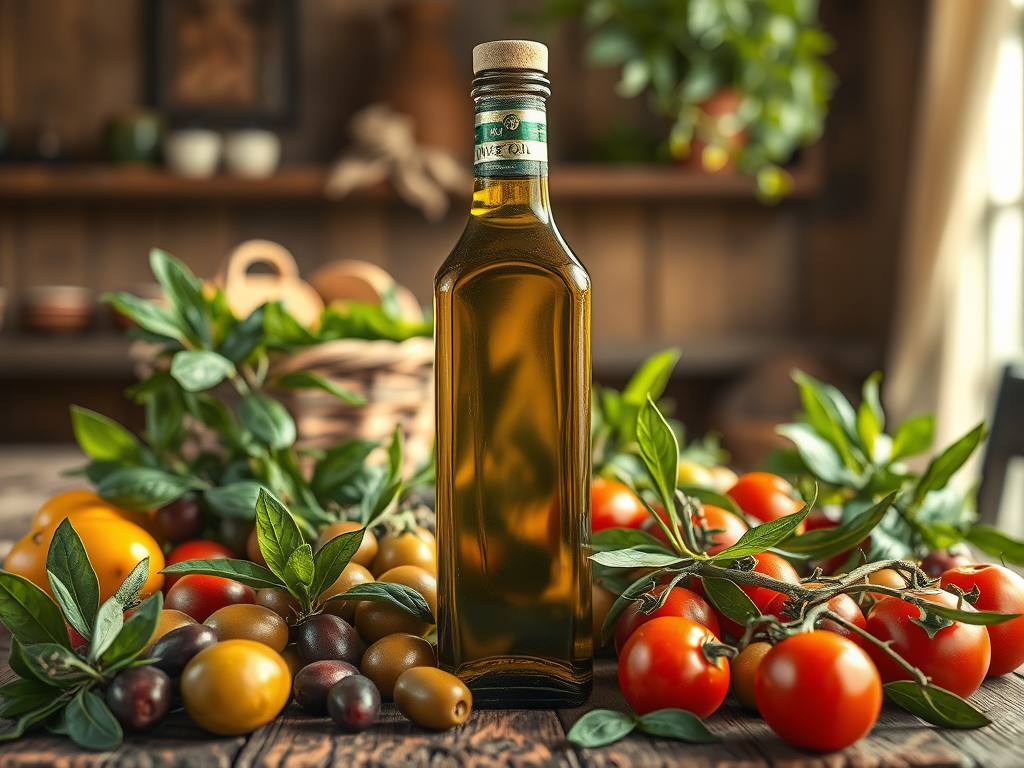
Olive oil has long held a reputation as a heart-healthy staple of the Mediterranean diet — and now, new research adds weight management to its list of benefits. A major long-term study has found that individuals who regularly consume olive oil tend to gain less weight over time, challenging the outdated notion that all dietary fats are equally fattening.
This revelation comes from the Nurses’ Health Study, which analyzed data from over 121,000 participants. The findings suggest that not all fats are created equal: olive oil, rich in monounsaturated fatty acids (MUFAs), particularly oleic acid, may help curb weight gain by improving insulin sensitivity and enhancing satiety.
In addition to promoting a feeling of fullness, olive oil supports nutrient absorption and fights inflammation — both of which play roles in metabolic health. These characteristics are central to the success of the Mediterranean diet, which prioritizes whole foods and extra virgin olive oil (EVOO) as its primary fat source. Notably, randomized trials like Spain’s PREDIMED study have shown that olive oil-enhanced Mediterranean diets outperform low-fat regimens in maintaining a healthy weight.
For those looking to incorporate olive oil into their diet, simple swaps can make a meaningful difference — like replacing butter with EVOO when cooking or using it as a salad dressing base. Moderation remains key, given its calorie density, but when used wisely, olive oil can be a powerful ally in long-term weight control.
As this study reinforces, diet culture’s demonization of fat has been misleading. It’s not just about cutting fat — it’s about choosing the right kind. Olive oil proves that healthy fats can nourish, satisfy, and even help manage weight when embraced as part of a wholesome, balanced lifestyle.
 namaste sun