
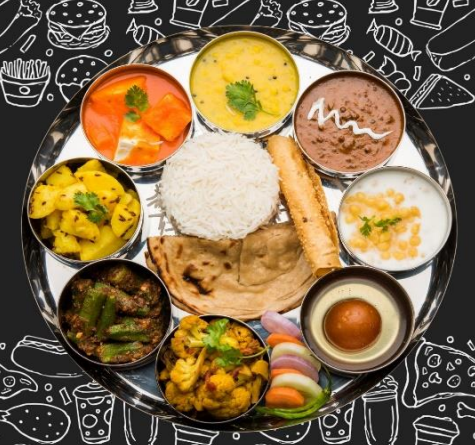
 The Indian Vegetarian Thali Takes Global Spotlight on World Food Day
As the world celebrates World Food Day—an occasion dedicated to raising awareness about global hunger and promoting sustainable food practices—the iconic Indian vegetarian thali finds itself at the center of attention. Representing not just a meal but a philosophy of balance, variety, and nutrition, the vegetarian thali offers a perfect example of sustainable and wholesome eating. In a time when plant-based diets are being recognized globally for their environmental and health benefits, the Indian thali embodies both tradition and modern sustainability.
A Symphony of Flavors and Nutrition
The Indian vegetarian thali is a complete, well-rounded meal typically served on a single plate or tray, containing a variety of dishes that blend diverse flavors and textures. From North to South, East to West, the thali’s components vary depending on the region, but they always feature a range of flavors—sweet, salty, spicy, and tangy. It usually includes:
- Roti or Rice: Staples like wheat bread or rice form the base of most thalis.
- Dals and Curries: Pulses and legumes such as lentils (dal) or chickpeas are often the protein-rich core.
- Vegetable Dishes: Seasonal vegetables cooked in spices or served raw as salads bring vibrancy and nutrition to the meal.
- Chutneys, Pickles, and Papad: These accompaniments add a burst of flavor and texture.
- Curd or Yogurt: Cooling and probiotic, yogurt balances the spices.
- Dessert: A sweet dish like halwa or payasam completes the experience.
This balanced meal, with its diverse ingredients, reflects India’s agricultural heritage, where local and seasonal produce is used to create a nutritious spread that is both delicious and sustainable.
Why the Thali Stands Out Globally
In recent years, as the world has gravitated toward more plant-based and eco-conscious food choices, the Indian vegetarian thali has found global admiration. Here’s why it resonates so powerfully on World Food Day:
- Plant-Based Power: Vegetarian diets are increasingly being recognized for their smaller environmental footprint compared to meat-based diets. The thali, being largely plant-based, highlights how traditional eating practices are aligned with modern environmental concerns.
- Diversity in Every Bite: The thali’s inclusion of multiple dishes, each using different grains, legumes, and vegetables, represents biodiversity on a plate. This diversity supports not just nutritional balance but also sustainable farming practices that promote crop rotation and soil health.
- Cultural Heritage: Beyond its nutritional value, the Indian thali tells a story of community and culture. Passed down through generations, it is a living testament to India’s rich culinary history and its commitment to vegetarianism—a philosophy of compassion that resonates with global movements toward ethical eating.
- Zero Waste Philosophy: Many thalis incorporate leftover ingredients creatively, minimizing food waste. In India, the concept of anna daan (the act of donating food) reinforces the importance of avoiding food wastage, a crucial message on World Food Day when millions around the world face hunger.
The Thali in the Global Food Scene
Restaurants around the world have begun offering Indian vegetarian thalis as part of their menus, and food bloggers and influencers frequently spotlight the meal for its variety and balance. In countries like the U.S., the U.K., and Australia, the thali has gained a reputation not just as a meal but as an experience—offering a glimpse into India’s culinary artistry and its approach to sustainable eating.
At a time when food security and sustainable agriculture are top of mind, the Indian vegetarian thali serves as a shining example of how traditional food systems can offer modern solutions. The simple yet sophisticated meal promotes mindful consumption, respect for nature, and a commitment to community—a message that aligns beautifully with the spirit of World Food Day.
Conclusion
As the world gathers to recognize World Food Day, the Indian vegetarian thali stands tall as a symbol of sustainability, balance, and nourishment. It bridges the gap between ancient wisdom and modern concerns, reminding us that food is not just about satisfying hunger but about nourishing both people and the planet. Whether you’re enjoying a thali in India or abroad, it’s a delicious reminder of the power of food to connect us all.
 namaste sun